

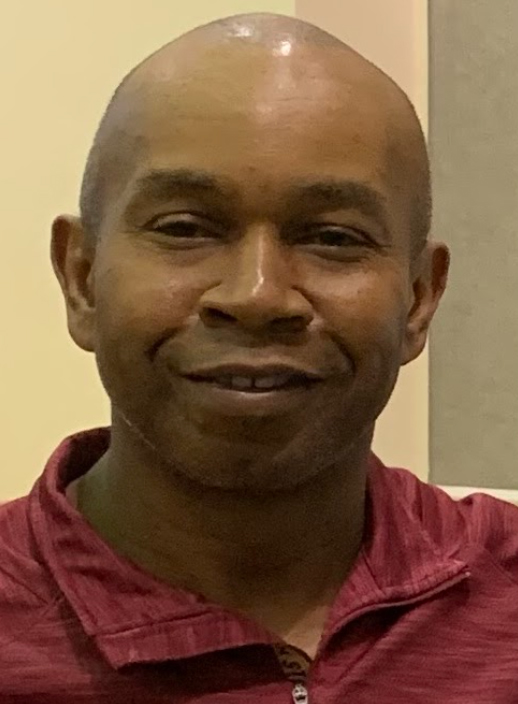
Dr. Wade G. Douglas is a respected figure in the medical community, known for his significant contributions to surgical oncology and medical education. Currently serving as a Professor of Clinical Sciences and Program Director for the General Surgery Residency at Florida State University College of Medicine, Dr. Wade Douglas has built a career that blends clinical expertise, academic leadership, and an unwavering commitment to diversity and mentorship in medicine. He began his academic journey at Florida A&M University, proceeded to earn a medical degree from the University of Florida College of Medicine, and completed advanced fellowships in Head and Neck Surgery and Surgical Oncology at Roswell Park Cancer Institute. His scholarly work and leadership have been instrumental in advancing the field of surgical oncology, making him a prominent figure in the “Wade Douglas Florida Surgery” community.
How did you initially become interested in the field of surgical oncology?
My journey into surgical oncology began during my medical training. I was always fascinated by the complexity and the technical challenges that cancer surgery presented. The ability to make a tangible difference in a patient’s life by removing a tumor was profoundly rewarding. During my residency and fellowship at Roswell Park Cancer Institute, I had the opportunity to work alongside some of the leading experts in the field, which solidified my passion for oncology surgery.
What were some of the key influences in your career development?
Throughout my career, mentorship played a critical role. I was fortunate to have mentors who guided me not only in surgical techniques but also in the nuances of patient care and the importance of research. They instilled in me the value of continuous learning and the need to stay at the forefront of medical advancements. Another pivotal influence was my involvement in professional organizations, which helped me build a network of colleagues who have been both collaborators and friends over the years.
How do you approach leadership and decision-making within your role?
Leadership, in my view, is about being open to opportunities and embracing new technologies and methods. This helps not only in personal growth but also in advancing the field as a whole. I believe in making decisions based on solid information and avoiding decision-making in times of anger or fear. Effective leadership involves excellent communication skills, competence in your field, and the ability to motivate your team through recognition and support.
Can you share a specific example of how you’ve supported a colleague in overcoming a professional challenge?
Certainly. I recall a situation where a colleague faced a significant health challenge, which required him to step away from surgical duties to regain his board certification and medical license. Recognizing his potential and the importance of supporting him, we devised an educational program and I personally proctored him over the course of a year. This allowed him to regain his qualifications and practice independently, which was both gratifying and a testament to the power of mentorship and collaboration.
What strategies do you employ to ensure you stay current in your field?
Staying current is essential, especially in a field as dynamic as surgical oncology. I engage in continuous education through conferences, workshops, and renewal of my medical licenses, which often require keeping abreast of groundbreaking research. This commitment to lifelong learning ensures that I am providing the best care to my patients and sharing the most up-to-date knowledge with my residents and colleagues.
How do you maintain and build strong professional relationships?
Professional relationships are built on mutual respect and benefit. I actively collaborate with colleagues on research projects and within professional organizations. These interactions not only enhance our collective knowledge but also foster a sense of camaraderie and shared purpose. Working together on common goals strengthens these relationships over time.
What would you say are the most crucial qualities for a leader in the medical field?
In the medical field, a leader must possess excellent communication skills and a deep understanding of their specialty. It is crucial to inspire and motivate your team, which can be achieved through organizational recognition and providing opportunities for personal development. Competency and the ability to make informed decisions are equally important. These qualities help in building a cohesive team dedicated to excellence in patient care.
Wade Douglas continues to influence the field of surgical oncology and medical education through his leadership and dedication to advancing the practice while fostering an environment of diversity and inclusion.
What are some of your most significant achievements in surgical oncology?
One of my most significant achievements has been my work on cancer disparities and the development of biobanks that cater to diverse populations. For instance, I was involved in the Florida Pancreas Collaborative Next-Generation Biobank, which aims to reduce disparities and improve survival rates for a diverse patient cohort with pancreatic cancer. My research on head and neck cancers has also contributed valuable insights into the management and treatment of these diseases, helping to advance the field’s understanding and improve patient outcomes.
How do you see the role of diversity in medical education and practice?
Diversity in medicine is crucial because it enriches the learning environment and improves patient care. By incorporating different perspectives and experiences, we can better understand and address the unique health needs of various populations. My career has been committed to fostering diversity and inclusion in surgical education, ensuring that it reflects the demographic changes in society. This commitment is not only ethically necessary but scientifically beneficial as well.
Can you expand on your vision for the future of surgical oncology?
The future of surgical oncology lies in precision medicine and the integration of cutting-edge technologies with traditional surgical techniques. I envision a future where genomics and personalized therapies become standard in our approach to cancer treatment. This shift will require ongoing collaboration between researchers, clinicians, and technology experts to develop individualized treatment plans that maximize efficacy while minimizing side effects.
What are your goals for the General Surgery Residency at Florida State University?
My goals for the residency program include enhancing the curriculum to incorporate more technological advancements and research opportunities. I aim to prepare our residents to be at the forefront of surgical innovation by providing them with the skills needed to adapt to new challenges in the field. Additionally, I am dedicated to strengthening our mentorship programs to support the professional development of our residents.
How do you plan to address the challenges facing the healthcare industry today?
Addressing healthcare challenges requires a multipronged approach. We must focus on increasing access to care, especially for underrepresented communities. This includes advocating for policy changes and developing community-based programs that bridge the gap between patients and healthcare providers. By fostering partnerships with local organizations and focusing on preventive care, we can address some of these systemic issues more effectively.
What advice would you give to aspiring surgeons or medical students entering the field today?
To those entering the field, I would say to stay curious and never stop learning. Medicine is ever-evolving, and those who remain adaptable and open to new ideas will make the most significant impact. Focus on developing strong communication skills, as they are just as crucial as technical skills in patient care. Lastly, seek out mentors and become a mentor yourself. The relationships you build can have a profound influence on both your personal and professional growth.
Dr. Wade Douglas continues to shape the future of surgical oncology through his dedication to education and innovation. His leadership at Florida State University College of Medicine exemplifies his commitment to advancing the field while supporting the next generation of medical professionals.