

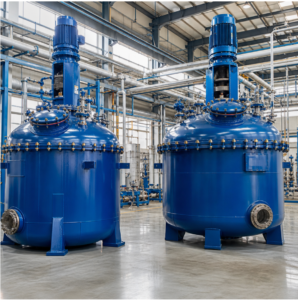
When it comes to chemical processing, pharmaceutical manufacturing, and specialty industrial applications, the choice of reactor vessel is one of the most consequential decisions an engineer or plant manager can make. The wrong material selection can lead to contamination, accelerated corrosion, costly downtime, and even safety hazards. Two of the most widely debated options in the industry are glass lined reactors and stainless steel reactors — each with distinct advantages, limitations, and ideal use cases. Understanding the nuanced differences between these two technologies is essential for optimizing both performance and long-term operational costs.
What Makes Glass Lined Reactors Unique?
Glass lined reactors are constructed from a carbon steel or cast iron shell that is fused with a layer of borosilicate glass on the interior surface. This glass lining creates an exceptionally smooth, chemically inert barrier between the process media and the metal substrate. The result is a vessel that combines the structural strength of metal with the chemical resistance of glass — a combination that proves invaluable in processes involving highly corrosive acids, aggressive solvents, or products that must remain free from metallic contamination.
The glass surface is also non-porous and non-reactive, which makes it ideal for pharmaceutical and food-grade applications where product purity is non-negotiable. Cleaning is straightforward, and the smooth surface minimizes the risk of bacterial adhesion or residue buildup. However, glass lined vessels do require careful handling — the lining can be chipped or cracked by mechanical impact or sudden thermal shock, which can compromise the vessel’s integrity and necessitate costly repairs or replacement.
Stainless Steel Reactors: Durability Meets Versatility
Stainless steel reactors, particularly those fabricated from 316L or 304 grades, are the workhorses of many industrial sectors. Their mechanical robustness, resistance to physical impact, and ability to withstand a wide range of temperatures and pressures make them a popular default choice. Stainless steel is also weldable, repairable, and relatively straightforward to fabricate into custom configurations.
That said, stainless steel is not universally corrosion-resistant. Exposure to chloride-containing compounds, strong acids like hydrochloric acid, or highly oxidizing environments can cause pitting, crevice corrosion, or stress corrosion cracking. In these scenarios, stainless steel reactors may require additional surface treatments, exotic alloy upgrades, or more frequent inspection and maintenance cycles — all of which add to the total cost of ownership.
Corrosion Resistance: A Critical Differentiator
Perhaps the most significant factor in the glass lined versus stainless steel debate is corrosion resistance. Glass lined vessels excel in environments where strong mineral acids, organic acids, or halogenated compounds are present. The borosilicate glass lining is virtually impervious to these substances, whereas stainless steel may degrade over time under similar conditions. For processes involving hydrochloric acid, sulfuric acid, or bromine compounds, glass lining is often the technically superior and more economical long-term choice.
Conversely, stainless steel performs better in alkaline environments. Strong caustic solutions can etch and degrade glass linings over time, making stainless steel the preferred material for high-pH processes. Understanding the specific chemistry of your process media is therefore the foundational step in any reactor selection decision.
A Closer Look at the Technical Comparison
A thorough glass lined reactor comparison must account for multiple variables beyond just chemical compatibility. Temperature range, pressure ratings, agitation requirements, heat transfer efficiency, and regulatory compliance all play a role in determining which vessel type is most appropriate for a given application. Glass lined reactors typically operate within a temperature range of -20°C to 200°C and pressure ratings up to 6 bar, while stainless steel reactors can often handle more extreme conditions. For high-pressure or high-temperature processes, stainless steel may offer greater operational flexibility.
Heat Transfer and Jacketing Considerations
Both reactor types can be equipped with external jackets for heating or cooling, but their heat transfer characteristics differ. Stainless steel, being a metal throughout, conducts heat more efficiently than a glass lined vessel, where the glass layer acts as a mild insulator. For processes requiring rapid temperature changes or precise thermal control, this distinction can influence cycle times and energy consumption. Engineers must weigh these thermal dynamics carefully when designing process workflows around either vessel type.
Maintenance, Longevity, and System-Wide Considerations
Reactor selection doesn’t exist in isolation — it’s part of a broader system that includes piping, valves, seals, and waste management infrastructure. Just as industrial facilities must think holistically about their equipment choices, they must also consider the downstream implications of their processes. Proper waste handling and system maintenance are critical to long-term operational health. For facilities managing liquid waste streams, for example, routine septic system maintenance is an often-overlooked but essential component of responsible facility management, ensuring that process byproducts are handled safely and in compliance with environmental regulations.
Glass lined reactors, when properly maintained, can have service lives exceeding 20 years. The key is regular inspection of the glass lining using spark testing or holiday detection methods to identify any micro-cracks or chips before they escalate into larger failures. Stainless steel reactors, while more forgiving of physical impact, still require periodic inspection for corrosion, weld integrity, and seal condition. In both cases, a proactive maintenance culture significantly extends equipment life and reduces unplanned downtime.
About International Process Plants
International Process Plants is a globally recognized supplier of used and refurbished industrial process equipment, with an extensive inventory spanning reactors, heat exchangers, distillation columns, and complete plant systems. With decades of experience serving the chemical, pharmaceutical, food processing, and petrochemical industries, the company provides clients with access to high-quality equipment at a fraction of the cost of new fabrication. Their technical team offers expert guidance on equipment selection, inspection, and integration, helping facilities make informed decisions that align with both process requirements and budget constraints. Whether a client is sourcing a single glass lined reactor or outfitting an entire production facility, International Process Plants delivers the expertise and inventory to meet the need.
Practical Tips for Making the Final Decision
Before committing to either reactor type, it is advisable to conduct a thorough process audit. Document the full range of chemicals that will contact the vessel interior, including cleaning agents and any intermediate compounds formed during the reaction. Consult corrosion resistance charts and, where possible, request material coupons for immersion testing in your specific process media. Engage with experienced equipment suppliers and process engineers who can provide application-specific recommendations based on real-world data rather than generalized guidelines.
It’s also worth considering the total cost of ownership rather than just the upfront purchase price. A glass lined reactor may carry a higher initial cost but deliver superior performance and lower maintenance expenses in a corrosive environment. Conversely, a stainless steel reactor might be the more economical choice for a less aggressive process where its mechanical advantages can be fully leveraged. Vacuum sealing and containment technologies have also advanced significantly in recent years — as explored in this detailed review of modern vacuum sealing systems — reflecting a broader trend toward precision containment across industries.
Conclusion
The choice between glass lined and stainless steel reactors is rarely straightforward, but it is always consequential. By carefully evaluating chemical compatibility, operating conditions, maintenance requirements, and total lifecycle costs, process engineers can make a selection that supports both operational excellence and long-term profitability. The right reactor vessel is not simply a piece of equipment — it is a foundational investment in the reliability and quality of your entire production process.
By: Chris Bates