

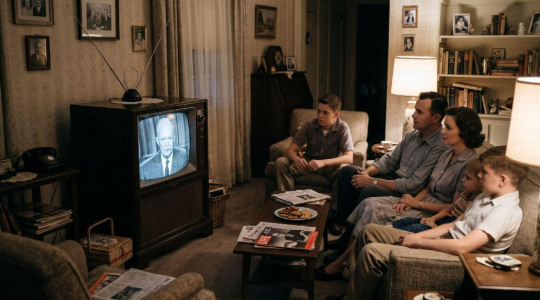
Presidential popularity can be a wild rollercoaster. One minute, a president is receiving standing ovations, and the next, Americans are questioning every decision coming out of the White House.
Approval ratings offer a fascinating glimpse into how citizens feel about their leaders at different moments in history. While some presidents struggled to win public support, others achieved astonishing popularity. Grab your patriotic shirts and learn which commanders-in-chief earned the highest approval ratings, and what made Americans love them so much.
George W. Bush: The President Who Reached an Incredible 90%
George W. Bush experienced one of the most dramatic surges in popularity in presidential history. Following the September 11, 2001, terrorist attacks, his Gallup approval rating climbed to an extraordinary 90%.
Americans rallied behind their president during a frightening and uncertain time, creating a powerful sense of national unity. However, that overwhelming support didn’t last forever. As the Iraq War continued and economic challenges emerged, Bush’s approval ratings dropped considerably. His presidency demonstrates just how quickly public opinion can change.
George H. W. Bush: Riding High After the Gulf War
George H. W. Bush also enjoyed remarkable presidential popularity, reaching an approval rating of approximately 89% in 1991. His impressive numbers followed the successful U.S.-led military campaign during the Gulf War. Americans celebrated the swift victory, and Bush received widespread recognition for his leadership.
However, despite reaching such extraordinary approval ratings, Bush lost his reelection campaign to Bill Clinton in 1992. Economic concerns and changing voter priorities proved that yesterday’s popularity doesn’t guarantee tomorrow’s victory.
John F. Kennedy: The Charismatic President Americans Loved
John F. Kennedy brought youthful energy, memorable speeches, and undeniable charisma to the White House. His approval rating reached approximately 83%, making him one of America’s most popular modern presidents.
Kennedy’s confident public image helped him connect with Americans during an era marked by Cold War tensions and significant social changes. His leadership during the Cuban Missile Crisis also influenced public perceptions of his presidency. Although his time in office was tragically cut short, Kennedy remains an enduring figure in American political history.
Dwight D. Eisenhower: The War Hero Who Won Over America
Before becoming president, Dwight D. Eisenhower was already an American hero. His leadership during World War II earned him widespread admiration and support, and that popularity followed him straight into the White House.
Eisenhower’s approval rating peaked at approximately 79%, reflecting Americans’ confidence in his steady leadership. During the 1950s, economic growth, expanding suburbs, and rising prosperity helped create a sense of national optimism.
His calm personality and military experience reassured Americans during an era of Cold War uncertainty. Sometimes, being a dependable leader is enough to win over the public.
Lyndon B. Johnson: A Popularity Surge After National Tragedy
Lyndon B. Johnson entered the presidency under heartbreaking circumstances, following John F. Kennedy’s assassination in 1963. During this period of national mourning, Americans rallied around their new leader.
Johnson’s approval rating eventually reached approximately 79%, demonstrating substantial public support. His early presidency included ambitious domestic initiatives, particularly his Great Society programs and landmark civil rights legislation.
However, his popularity suffered as American involvement in the Vietnam War escalated. Growing antiwar protests and public frustration transformed Johnson’s political standing, showing how quickly national confidence can disappear.
Why Do Presidential Approval Ratings Rise and Fall?
Presidential approval ratings aren’t always predictable. Major events, including military victories, economic downturns, and national emergencies, can dramatically influence public opinion.
During major crises, Americans sometimes unite behind their president, creating what’s known as the rally-around-the-flag effect. However, that enthusiasm can fade when difficult decisions produce disappointing results.
Economic conditions also matter tremendously. Rising prices, unemployment, and financial uncertainty can weaken public confidence, even when presidents have limited control over the underlying problems. Ultimately, presidential popularity depends on timing, circumstances, leadership, and public expectations.
Does a High Approval Rating Make Someone a Great President?
Popularity and historical greatness aren’t interchangeable. A president might enjoy tremendous public support during a national crisis but face criticism decades later. Conversely, an unpopular president might eventually receive recognition for decisions that proved beneficial over time.
Historians evaluate presidential legacies through policy achievements, leadership, historical context, and long-term consequences. Approval ratings reveal how Americans felt at particular moments, not necessarily how history will remember those leaders.
Popular Today, Judged by History Tomorrow
From George W. Bush’s extraordinary post-9/11 approval surge to Eisenhower’s steady popularity, presidential ratings reveal fascinating chapters of American history. However, earning public admiration and maintaining it are entirely different challenges. Ultimately, presidential popularity can change overnight, while historical legacies take generations to develop fully.