

Anyone who has run a classroom, a scout troop, or a community youth program knows the same problem comes up again and again: you need a small reward system that doesn’t cost much per kid, doesn’t require refrigeration or an allergy warning, and still feels exciting enough that kids actually want to earn it. Candy covers some of that, but not all of it, and teachers in particular have been looking for alternatives for years.
Why Small Toys Beat Candy as a Reward System
Small collectible toys have become a common answer, and for good reason. A reward doesn’t need to be expensive to feel special, it just needs to feel like a genuine prize rather than a consolation. This is where mini-sized toys fit in especially well. They’re inexpensive enough to buy in bulk for a whole class, small enough to hand out without ceremony, and durable enough to survive a backpack for the rest of the school year without falling apart.
A set of mini squishies works particularly well for this kind of reward system because the small size keeps the per-unit cost low without making the item feel cheap. Kids respond to the softness and the shape variety the same way they would to a full-sized toy, they just get it in a size that’s easier for a teacher or coordinator to buy thirty of without blowing through a supply budget. That balance between quality and affordability is exactly what makes bulk classroom purchasing realistic in the first place.
Making a Reward System That Actually Sticks
The reward structure itself matters too. A behavior chart, a reading log, or a completed-chores checklist all work better when there’s a visible, physical goal attached to them, rather than an abstract point total that resets every week. A small toy a child can hold onto, keep on a shelf, or add to a growing collection gives that goal some staying power. It’s not just about the moment of receiving it, it’s about what happens after, when the toy becomes part of something the kid is actively building.
Tapping Into Existing Interests
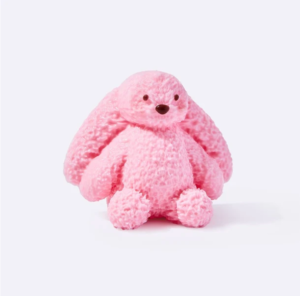
This is especially true when the reward taps into an existing interest. A lot of kids already like animals, whether it’s a favorite species or just anything with a face, and rewards that lean into that tend to land better than generic prizes. Cute animal squishies give a coordinator variety within a single order, so instead of handing out the same identical prize to every child, there’s some natural randomness or choice built in, which keeps the reward feeling personal rather than assembly-line.
Fitting Rewards Into a Tight Program Budget
Most classroom and community programs operate on a genuinely limited budget, often pulled from a teacher’s own pocket or a small grant that has to stretch across the whole year. Small collectible toys fit this reality better than most alternatives because the per-unit cost stays low even as the design quality stays high, which means a coordinator doesn’t have to choose between a reward that feels good to give and one that actually fits the budget available.
Community Events Benefit From the Same Logic
Community events benefit from this same logic on a larger scale. A fall festival, a library reading challenge, or a scout troop’s badge ceremony all involve handing out prizes to a group of kids at once, often on a tight budget set by a school or a nonprofit. Buying in bulk from a single collection simplifies that planning considerably. Instead of sourcing a handful of small gifts from different places, a single order covers the reward table for an entire event, with enough variety that kids aren’t all walking away with the exact same item.
Coordinators running multi-week programs, such as a summer reading challenge or a season-long badge program, also benefit from spacing out reward tiers using a single collection. Smaller mini squishies work well as weekly incentives, while a larger prize from the same brand can be saved for a final milestone, which keeps the whole reward structure feeling consistent from start to finish.
Durability Actually Matters for Motivation
There’s a practical durability point worth mentioning too. Cheap plastic trinkets from a prize bin often break within days, which can actually undercut the goal of the reward system. If a kid earns something and it falls apart before the week is over, the reward starts to feel hollow, and the whole system loses some of its motivating power. A well-made squishy toy holds up to normal handling far better than a lot of dollar-store alternatives, which matters more than it might seem when the goal is sustained motivation over a full semester rather than a single afternoon.
What Experienced Teachers Say About Reward Systems
Teachers who have used this kind of system for a while often mention the same thing: the reward doesn’t need to be elaborate to work. What matters is consistency, a clear connection between effort and prize, and something the child actually wants to have. A soft, cute, easy-to-carry toy checks all three boxes without requiring a big budget or a complicated points system to administer. Many also recommend letting kids choose their own prize from a small selection rather than assigning one at random, since even a small amount of choice tends to increase how much a child values the reward afterward.
Budgeting for a Full Semester or Season
Coordinators planning ahead for a full school year or a season-long program should think about total cost across the whole stretch, not just the price of a single order. Buying a larger batch of mini squishies at once, rather than restocking every few weeks, usually works out cheaper per unit and removes the risk of running out mid-program right when a reward is due. It also helps to keep a rough count of how many rewards are needed for the full group across every planned milestone, so the order covers the entire year without a last-minute scramble for more.
Involving Kids in the Reward Selection
Some coordinators have had good results letting kids see the full range of available designs ahead of time, whether that’s a printed sheet or a quick look at the online collection, so they know what they’re working toward. This small bit of visibility tends to increase buy-in, since the reward stops being an abstract idea and becomes something specific a child is actually excited to earn. It also gives quieter kids who might not ask questions out loud a chance to see their options without needing to speak up in front of the group.
Final Thoughts
For any classroom, troop, or community program looking for a reliable reward option that doesn’t involve sugar or anything that needs a permission slip, small collectible toys remain one of the simplest tools available. They’re easy to source in bulk, easy to distribute quickly, and genuinely motivating for the age group most of these programs are built around. A little planning around variety, sizing, and timing goes a long way toward making sure the reward table still feels exciting on the last week of the program, not just the first.
By: Chris Bates