

As global energy demands continue to rise and conversations around sustainability intensify, evaluating power sources has never been more important. Not all energy is created equal; some sources excel in cost-efficiency, others in reliability, and some in environmental performance. Neel Somani of Eclipse emphasizes that by ranking power sources into tiers based on these practical considerations, we can better understand how each contributes to the broader energy landscape and where future investments may be most effective.
S-Tier: Natural Gas and Battery Storage
At the top of the ranking are natural gas and battery storage, two resources that play a critical role in modern energy systems due to their flexibility and economic viability.
Natural Gas: A Balanced Energy Workhorse
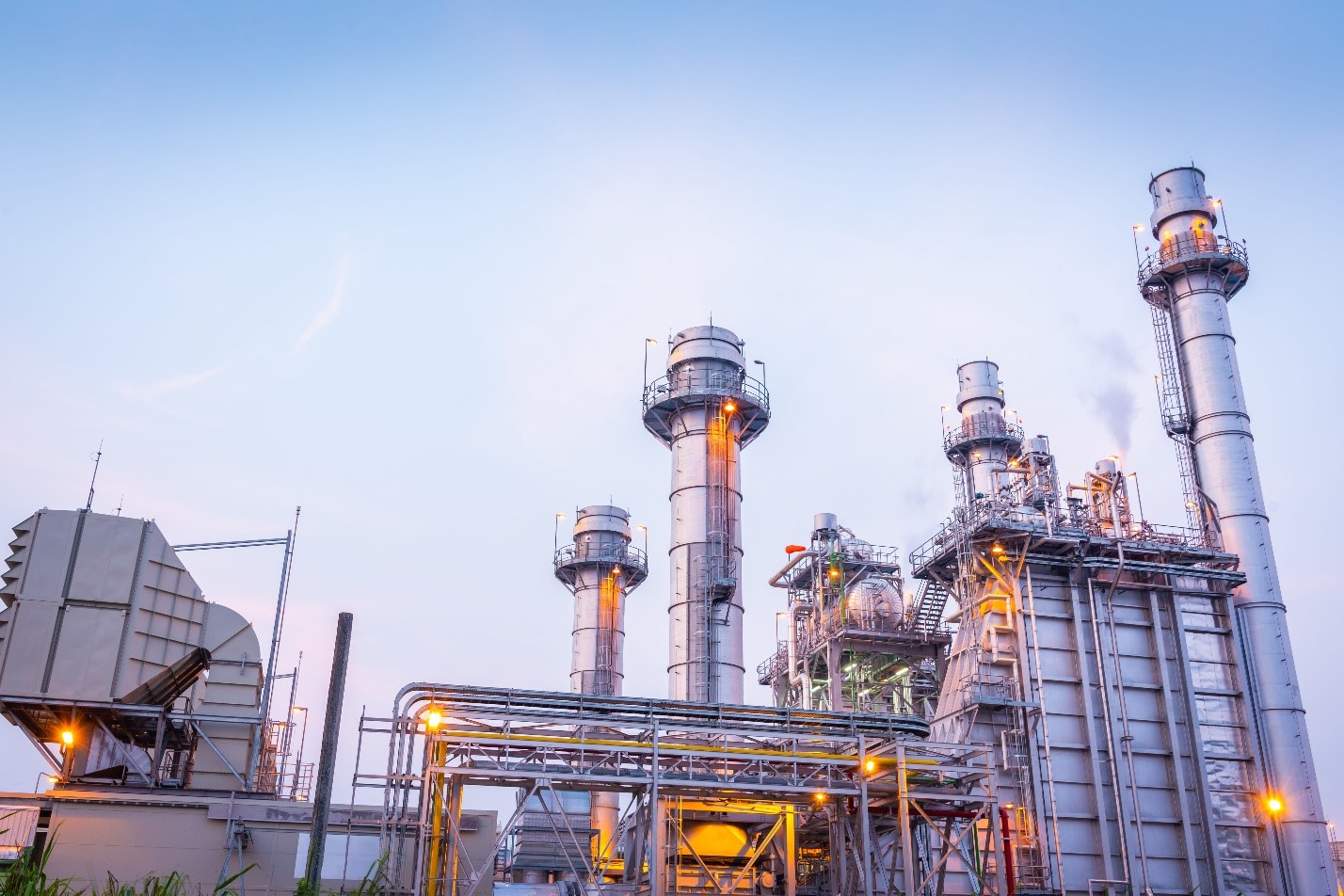
Natural gas has become a cornerstone of electricity generation in many parts of the world, and for good reason. Neel Somani explains that it strikes a relatively strong balance between cost, emissions, and reliability. Compared to coal, natural gas produces significantly fewer carbon emissions, making it a more environmentally responsible fossil fuel option. While it is not carbon-neutral, its lower emissions profile has positioned it as a transitional energy source as cleaner technologies continue to develop.
From a cost perspective, natural gas is generally more affordable than alternatives like nuclear power, particularly when factoring in the time and capital required to bring large-scale facilities online. Natural gas plants are also quicker to build and can be ramped up or down based on demand, offering a level of operational flexibility that is essential in today’s dynamic energy markets.
Battery Storage: The Strategic Enabler
Battery storage has rapidly emerged as a game-changing technology, not because it generates power itself, but because it optimizes how power is used. Its core advantage lies in its ability to store energy when it is inexpensive or abundant and release it when demand, and prices, are high.
Neel Somani explains that this capability helps stabilize the grid and extends the usefulness of other energy sources. For example, excess energy generated during off-peak hours or from intermittent sources can be stored rather than wasted. Later, that stored energy can be dispatched when needed, reducing strain on the system and minimizing reliance on less efficient or more polluting backup sources.
Battery systems also enhance resilience by providing backup power during outages and supporting grid reliability. As energy markets become more volatile and renewable energy adoption grows, the importance of storage solutions like batteries will only increase.
A-Tier: Nuclear Power
Nuclear energy occupies the A-tier, reflecting its strong performance in reliability and emissions, but also acknowledging the significant barriers to its expansion.
Nuclear: Reliable but Complex
Nuclear power is one of the most consistent and dependable sources of electricity available. Unlike intermittent sources such as wind or solar, nuclear plants operate continuously, providing a steady baseload supply of power. Additionally, nuclear energy produces virtually no carbon emissions during operation, making it an attractive option for reducing greenhouse gas output.
Neel Somani of Eclipse understands that these advantages come at a steep cost. Nuclear facilities are notoriously expensive to build, often requiring billions of dollars in upfront investment. The permitting process is also lengthy and complex, involving strict regulatory oversight, environmental reviews, and safety considerations. As a result, nuclear projects can take years, or even decades, to complete.
Operational complexity adds another layer of challenge. While nuclear plants are efficient once running, they require highly specialized expertise to manage and maintain. Decommissioning old plants and handling nuclear waste also present long-term logistical and environmental concerns.
Despite these drawbacks, nuclear energy remains a valuable component of a diversified energy portfolio, particularly for countries seeking reliable, low-emission power at scale.
F-Tier: Coal and Wind
In the F-tier are coal and wind, two energy sources that, despite their historical or environmental significance, present notable challenges in today’s energy landscape.
Coal: Environmentally Costly and Economically Burdened
Coal has long been a dominant force in electricity generation, but its drawbacks have become increasingly difficult to ignore. Chief among them is its environmental impact. Coal emits high levels of carbon, contributing significantly to climate change and air pollution.
In addition to environmental costs, coal often carries financial penalties in the form of carbon taxes or regulatory compliance expenses. Neel Somani explains that these added costs make coal less competitive compared to cleaner alternatives. As governments and organizations continue to prioritize sustainability, coal’s role in the energy mix is steadily declining. From both an environmental and economic standpoint, coal struggles to justify its continued use in modern power systems.
Wind: Intermittency and Operational Challenges
Wind energy is often praised for being renewable and emission-free during operation, but it faces significant challenges that affect its reliability and overall efficiency.
One of the primary issues with wind power is its intermittency. Wind does not blow consistently, which means energy production can fluctuate unpredictably. Neel Somani understands that this variability makes it difficult to rely on wind as a primary power source without substantial backup systems in place.
Additionally, wind farms can sometimes produce too much energy when demand is low or too little when demand is high, leading to inefficiencies. In some cases, excess power must be curtailed, essentially wasted, while at other times, alternative sources must compensate for shortages.
There are also operational costs associated with shutting down and restarting wind turbines, as well as maintaining infrastructure in remote or harsh environments. These factors can diminish the overall cost-effectiveness of wind energy, particularly when compared to more controllable power sources.
A Practical Perspective on Power
Ranking power sources is not about declaring a single “winner,” but rather understanding how each option fits into a broader energy strategy. Natural gas and battery storage stand out for their flexibility and cost-efficiency, while nuclear offers unmatched reliability despite its complexity. Meanwhile, coal and wind face significant challenges that limit their effectiveness in certain contexts.
As the energy landscape continues to evolve, the most successful systems will likely be those that combine multiple sources, leveraging the strengths of each while mitigating their weaknesses. Neel Somani of Eclipse emphasizes that thoughtful investment, technological innovation, and strategic planning will ultimately determine how these power sources shape the future of energy.