

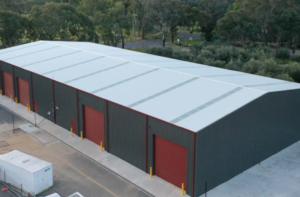
Online forums and anonymous reviews frequently mention Steel Structures; however, the best way to gauge the quality of a supplier’s materials and service is to look at completed projects and the testimonies of actual users. For example, agricultural users, commercial users, and residential users all have actual structures and satisfied customers providing a clearer picture of how a particular type of steel building or company has performed.
Companies that have a long-term track record of delivering quality buildings in accordance with specifications (i.e., building codes), as well as providing a high level of service, develop a reputation for doing so based on the results rather than on the marketing claims that they may use. Successful installations in the steel construction industry demonstrate whether a supplier has the ability to meet the engineering and permitting requirements associated with each building and each project site.
The experiences of clients working with US Patriot Steel provide examples of how steel structures move from design to finished construction. Their projects highlight how careful engineering, clear communication, and regulatory compliance shape successful outcomes.
These projects also reveal how customers measure success. For many building owners, success means more than simply receiving a structure. It involves receiving guidance through complex approvals, structural planning, and the installation process.
Helping Property Owners Navigate Complex Building Requirements
Property owners often experience an obstacle at the beginning of a steel building project, instead of having a schematic design from the start. They face zoning restrictions, snow load requirements, and structural compliance issues; therefore, they have to modify plans typically used for steel buildings.
It is very common that customers will visit steel building manufacturers and after obtaining their building plans, the local building code requires full engineering drawings prior to allowing the customer to build the project. Without a properly planned structure, projects will be delayed before any construction can take place.
One example involved a rural property owner planning a multi purpose agricultural building. The structure needed to support heavy snow loads due to regional climate conditions. Local officials required detailed engineering calculations before issuing a permit.
The project required adjustments to roof pitch, support framing, and load distribution. Structural specifications were revised to meet county standards while maintaining the building’s intended use for equipment storage and agricultural operations.
The finished building demonstrated how careful planning can resolve regulatory concerns before construction begins. The client reported that navigating the permitting process became manageable once engineering plans clearly reflected local requirements.
Situations like this are common across steel construction. Building owners may have a vision for a structure but need professional guidance to translate that concept into a code compliant design.
According to company background information, one of the founding goals behind the organization was simplifying a process that often overwhelms customers dealing with structural engineering and permitting rules.
Commercial Structures Built for Practical Business Needs
Steel buildings are frequently selected for commercial use because they allow owners to create large open spaces while maintaining durability.
In one commercial project, a small manufacturing company required a structure capable of housing fabrication equipment, material storage, and vehicle access. The building had to balance interior space with structural integrity.
Local wind ratings required specific reinforcement standards. Engineers adjusted the framing design to meet wind resistance requirements without limiting usable interior space.
During the design stage, the business owner expressed concern about potential delays caused by inspections and permit approvals. The project team focused on preparing detailed documentation before submission to local authorities.
By providing clear engineering specifications and structural drawings early in the process, the permit review proceeded without major revisions. Construction moved forward according to schedule.
The completed facility allowed the company to expand operations while maintaining a functional layout for equipment and inventory.
For many commercial clients, the value of a steel structure lies in its ability to support long term business growth. A building that meets regulatory standards and supports operational needs becomes an asset rather than a risk.
Agricultural Projects Designed for Durability
Agricultural customers represent a large segment of steel building clients. Farms and rural operations often require structures that can withstand weather exposure while protecting equipment, livestock, or stored materials.
One farm owner required a building that could house tractors and large equipment while maintaining sufficient clearance for vehicle movement. The project also needed to comply with regional snow load requirements that affected roof structure and framing strength.
Engineering adjustments increased structural capacity without compromising the open floor plan required for farm operations. The finished structure allowed equipment to move easily in and out of the building.
The farmer later reported that the project helped protect machinery from seasonal weather damage while improving organization on the property.
Agricultural clients often prioritize longevity over aesthetic design. Steel buildings appeal to these customers because structural durability directly affects operational efficiency.
Projects like this demonstrate how technical engineering decisions translate into practical benefits for property owners.
Multi State Projects With Unique Structural Requirements
Steel construction companies frequently work across multiple regions, each with its own building codes and engineering standards.
In one multi state project, a property developer required a building that would comply with stricter county regulations regarding wind resistance and snow load ratings. Local rules required additional structural reinforcement compared to surrounding counties.
The project required coordination between engineers, manufacturers, and local authorities. Structural adjustments were made to ensure the building could withstand regional weather conditions while remaining compliant with regulatory guidelines.
These types of projects demonstrate the importance of careful planning before materials are manufactured or construction begins.
According to company background information, navigating evolving engineering standards across different counties has been one of the major operational challenges in the steel building sector.
Despite these challenges, projects that successfully meet regional standards reinforce a company’s reputation for structural reliability.
The completed project provided the developer with a building that satisfied regulatory authorities while meeting the functional needs of the property.
Why Customer Experiences Matter in the Steel Building Industry
Steel building customers often research providers through online forums and review websites. While these platforms offer opinions, they rarely reflect the full complexity of real construction projects.
Every steel building installation involves engineering calculations, permitting procedures, and site specific considerations. The quality of a project depends on how well these elements are coordinated.
Completed buildings and satisfied clients provide more reliable evidence of performance than anonymous commentary.
Projects delivered by US Patriot Steel illustrate how careful planning and structural compliance contribute to successful outcomes. Each project requires communication between engineers, manufacturers, and property owners.
Clients frequently evaluate their experience based on several factors. These include whether the structure passes inspection, whether permitting proceeds smoothly, and whether the finished building performs as expected.
When those elements align, customers often become repeat clients or recommend the company to other property owners.
The Role of Communication in Successful Building Projects
Another theme that emerges from customer experiences is the importance of clear communication throughout the building process.
Property owners rarely have extensive experience interpreting engineering documents or structural calculations. Without guidance, they may struggle to understand the requirements involved in constructing a compliant building.
Successful projects often include a single point of contact who explains each stage of the process. This approach helps clients track progress while understanding how engineering decisions affect the final structure.
Many clients note that transparency during planning and permitting reduces uncertainty. When structural requirements are explained early, customers can make informed decisions about building design.
The result is a project that moves forward with fewer unexpected complications.
Structures That Stand and Relationships That Last
The final tangible proof in the construction business are real buildings.
By examining a completed project, one can determine whether the engineering standards were adequately utilized and whether an engineering firm’s structural design appropriately addressed the project’s environmental conditions. Outcome assessment is based on more than appearance; it also includes how well designed and constructed a building has been to satisfy client expectations for longevity and compliance with government regulations.
Agricultural producers, commercial enterprises and owners of property where steel buildings were built will receive a return on their investment in a steel building over time if they are appropriately planned.
Customer experiences validate that planning, compliance and communication are essential to the success of building projects. All of a project’s planning, compliance and communication issues need to be successfully managed as these are contributing factors that will make it easier for the project to transition from concept to completion.
The continued growth of projects completed by US Patriot Steel reflects a pattern seen across the construction industry. Companies that consistently deliver compliant structures earn trust through real results rather than online debate.
For property owners considering a steel building, these project stories offer a practical perspective. The success of a building is measured not by promises but by the structure standing on the property long after construction crews leave.
By: Chris Bates