

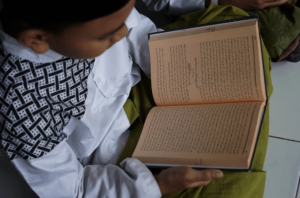
Learning to read the Quran begins with a strong foundation, and Noorani Qaida plays a key role in this early stage. Many children find Arabic letters and sounds new and unfamiliar, which can make the first steps feel slow or confusing. However, with the right approach, mastering Noorani Qaida can become simple, engaging, and even enjoyable.
Parents play a very important role in shaping this learning experience. A supportive environment, consistent practice, and proper guidance can help children progress faster and build confidence. Instead of rushing through lessons, focusing on clarity and understanding makes a big difference.
Why Noorani Qaida Is the First Step in Quran Learning
Noorani Qaida course is designed to teach children how to recognize Arabic letters, understand sounds, and read simple words. It breaks down Quran reading into small and manageable steps.
Children first learn individual letters, then vowel sounds, and later how letters join to form words. This gradual method prevents confusion and builds strong reading basics.
Without this foundation, many learners struggle with Quran reading later. Noorani Qaida ensures that children understand how Arabic works before moving forward.
It also introduces early Tajweed awareness, which helps in correct pronunciation from the beginning.
Create a Simple and Consistent Study Routine
Consistency is one of the most important factors in helping a child master Noorani Qaida. Daily practice, even if short, is more effective than long sessions done occasionally.
A fixed routine helps children understand that learning is part of their daily schedule.
Example of a Simple Daily Routine
| Time | Activity | Purpose |
| 10 minutes | Review previous lesson | Strengthen memory |
| 10–15 minutes | Learn new lesson | Build new skills |
| 5 minutes | Recitation practice | Improve fluency |
| 5 minutes | Listening to teacher/audio | Correct pronunciation |
Short and focused sessions help children stay attentive and avoid fatigue.
How Important Is Proper Pronunciation?
Correct pronunciation is essential when learning Noorani Qaida. Each Arabic letter has a specific sound, and even small mistakes can change meaning later in Quran reading.
Children should be encouraged to pronounce letters slowly and clearly. Rushing through lessons often leads to incorrect habits.
Key Pronunciation Tips for Children
- Practice one letter at a time
- Repeat sounds multiple times
- Focus on clarity instead of speed
- Listen carefully to correct recitation
Guidance from a teacher is highly useful in this stage. Early correction prevents long-term mistakes.
Make Learning Interactive and Engaging
Children learn better when lessons feel interesting. A dull or repetitive approach can reduce motivation.
Parents can make Noorani Qaida learning engaging through simple methods such as:
- Using visual charts for Arabic letters
- Playing audio recitations for listening practice
- Encouraging children to repeat aloud
- Giving small rewards for completing lessons
Interactive learning keeps children involved and makes lessons more enjoyable.
Should You Choose a Teacher or Teach at Home?
Both options can work, but guidance from a qualified teacher often leads to faster and more accurate learning. Teachers understand Tajweed rules and can correct mistakes immediately.
Benefits of Learning With a Teacher
- Proper pronunciation guidance
- Structured lesson progression
- Immediate correction of mistakes
- Increased confidence during recitation
According to Quran Grace, parents still play a strong supporting role at home. Regular revision and encouragement at home help reinforce what is taught during lessons.
Focus on Small Lessons Instead of Rushing
One common mistake is trying to complete Noorani Qaida too quickly. Children need time to understand each lesson properly.
Learning small portions with full clarity is more effective than rushing through multiple pages.
Why Small Steps Work Better
- Children remember lessons more easily
- Mistakes are reduced
- Confidence increases gradually
- Strong foundation is built for Quran reading
Patience during this stage leads to better results in the long term.
Tracking Progress Keeps Children Motivated
Children feel encouraged when they see their progress. Tracking lessons helps them understand how much they have achieved.
A simple progress chart can make learning more structured and motivating.
Example Progress Tracking Plan
| Week | Lesson Focus | Goal |
| Week 1 | Arabic letters | Recognize and pronounce letters |
| Week 2 | Vowel sounds | Read simple combinations |
| Week 3 | Joined letters | Read short words |
| Week 4 | Practice lessons | Improve fluency |
Seeing progress week after week builds confidence and encourages children to continue learning.
Final Words
Helping a child master Noorani Qaida becomes easier with the right approach. A consistent routine, focus on proper pronunciation, and small step-by-step learning create a strong foundation for Quran reading. Guidance from teachers, combined with support at home, ensures that children learn accurately and confidently.
Interactive methods, listening practice, and progress tracking keep children engaged and motivated throughout the journey. With patience and encouragement, Noorani Qaida learning becomes a smooth and rewarding experience. This early effort prepares children for fluent Quran reading and builds a lasting connection with the Quran.
By: Chris Bates