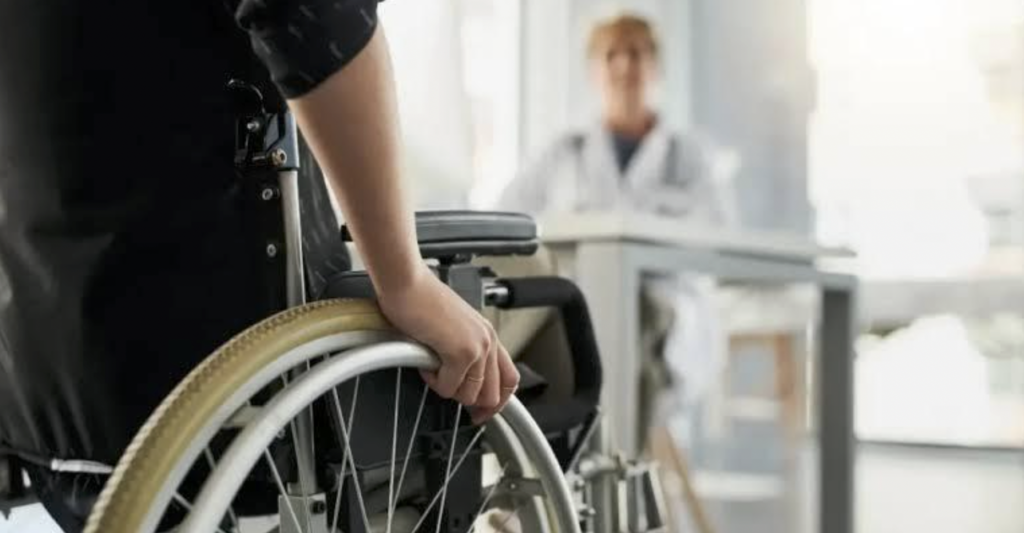
If you or a loved one has suffered a serious spinal injury, you may feel lost and worried about the future. Each year, thousands of people deal with these life-changing injuries across the United States.
This post will show you what legal rights and options are out there for victims who need help with costs and recovery. Learn how to protect yourself and claim fair compensation.
Common Causes of Severe Spinal Injuries
Car crashes are the leading cause of severe spinal injuries. The National Spinal Cord Injury Statistical Center found that motor vehicle accidents make up about 38% of these injuries in the United States every year.
Falls come next, causing almost 32% of new spinal cord cases. Many people over age 65 suffer such injuries from slipping or falling at home or work.
Sports and recreational activities play a role too. Contact sports like football, jumping into shallow water, and extreme outdoor activities put many young people at risk each year.
Acts of violence such as gunshots or stabbings account for about 14% of cases. Medical mistakes during surgery can injure the spine as well.
Most spinal cord injuries result from preventable events such as auto accidents or falls.
Many victims seek answers after an injury changes their lives forever; the next step is to determine who may be legally responsible for what happened.
Identifying Liable Parties in Spinal Injury Cases
Finding who is responsible for a spinal injury can help you get justice. Different people or groups may be legally at fault, depending on how the accident happened.
Negligent Drivers
Negligent drivers cause many severe spinal injuries. They often act carelessly on the road. Speeding, drunk driving, and distracted driving are common examples of negligence. If a driver hits you because they were not paying attention, they may be liable for your injuries.
Victims can seek compensation for medical expenses and lost wages due to these accidents. Each case is unique, and proving negligence is key to getting justice. Documenting the accident details helps in building your claim against the negligent driver effectively.
Property Owners and Managers
Negligent drivers are not the only ones who can cause spinal injuries. Property owners and managers also have a responsibility to keep their spaces safe. This includes homes, businesses, and public areas.
If they fail to fix hazards like broken stairs or wet floors, people can get hurt.
Victims may seek compensation from these parties for medical expenses and rehabilitation costs. They might also claim lost wages if they cannot work due to their injuries. Proper safety measures can prevent accidents and protect visitors.
When property owners ignore their duty, they may face legal claims for negligence or liability.
Defective Product Manufacturers
Moving from property owners and managers, defective product manufacturers can also be held responsible for severe spinal injuries. These companies may create unsafe products that harm users.
For example, a faulty chair can collapse and cause serious damage to the spine.
If you’re navigating the complexities of a spinal injury case, it’s wise to consult with a spinal cord injury lawyer in Ontario.
Victims may seek compensation from these manufacturers for their injuries. This includes medical expenses, rehabilitation costs, and pain and suffering. Holding them accountable is key in personal injury claims.
Proper legal action ensures victims receive the help they need after such life-changing events.
Medical Professionals
Medical professionals can be held responsible for spinal injuries caused by their carelessness. This is known as medical negligence. If a doctor or nurse fails to diagnose a serious condition or makes a mistake during surgery, they may face legal action.
Victims of these errors can seek compensation for their injuries and suffering.
Patients need proper care after spinal injuries. Medical professionals should follow safety standards and provide correct treatments. A lack of attention or skills can lead to severe consequences, impacting the patient’s life greatly.
Understanding liability in these cases helps victims navigate their legal rights effectively. The next section will cover types of compensation available for those affected by such injuries.
Types of Compensation Available
After a severe spinal injury, victims can receive various types of compensation. This financial help covers medical bills, lost income, and the pain caused by the injury.
Medical Expenses and Rehabilitation Costs
Severe spinal injuries can lead to high medical expenses. Patients often need surgeries, hospital stays, and ongoing treatments. These costs pile up quickly. Rehabilitation is also crucial for recovery.
Many people will require physical therapy and specialized equipment. Therapy helps regain strength and mobility.
Compensation can cover these medical expenses and rehabilitation costs. It provides financial support during a challenging time. Victims can seek legal claims to recover these amounts from liable parties like negligent drivers or property owners.
Seeking advocacy from experts may help navigate this process effectively.
Lost Wages and Loss of Earning Capacity
Lost wages refer to the money you miss because of an injury. If a spinal injury keeps you from working, it affects your income. You may claim these lost wages as part of your compensation.
Loss of earning capacity is about future earnings. If your injury makes it hard for you to get back to work or limits job options, that loss counts too.
Compensation for lost wages and earning capacity can help cover daily needs and bills. This financial support is important for victims facing new challenges after such injuries. Now, let’s look at how factors affect compensation amounts.
Pain and Suffering
Pain and suffering refers to the physical pain and emotional distress caused by severe spinal injuries. Victims often face challenges like anxiety, depression, and loss of enjoyment in life.
These feelings can be just as important as medical costs when seeking compensation.
The law allows victims to claim damages for their pain and suffering. This can include money for mental anguish or any long-term emotional impact on their lives. Compensation varies based on the injury’s severity and how it affects daily activities.
Next, we will explore home modifications and long-term care options after such injuries.
Home Modifications and Long-Term Care
Home modifications can be necessary after a severe spinal injury. These changes help make living spaces safer and more accessible. Common modifications include ramps, wider doorways, and grab bars in bathrooms.
Such adjustments can greatly improve daily life for those affected.
Long-term care often adds to medical expenses. Many need ongoing therapy or assistance with daily tasks. This type of care can become expensive quickly but may be covered under compensation claims.
Victims should explore all options for financial support to cover these needs effectively.
Factors That Influence Compensation Amounts
- Factors That Influence Compensation Amounts: The amount of compensation can change based on how serious the injury is and how it affects your life and work. Many factors play a role in deciding what you may receive after an injury.
To learn more about these factors, keep reading!
Severity and Permanence of the Injury
Severe spinal injuries can have lasting effects on a person’s life. The damage may be temporary or permanent. Injuries that lead to paralysis severely impact daily activities and the ability to work.
Some people might need lifelong care, while others require extensive rehabilitation.
Compensation often depends on how serious the injury is and how long it lasts. For example, a person who suffers from permanent disability may receive more compensation than someone whose condition improves over time.
Legal rights consider both medical expenses and lost income due to the injury’s severity. Each case varies, affecting what victims can claim in their personal injury lawsuits.
Impact on Employment and Daily Life
Severe spinal injuries can change everyday life. Many victims struggle to return to work. Some may lose their jobs completely. This loss leads to lost income, which adds stress and worry.
Daily tasks often become difficult or impossible. Simple activities like dressing or bathing may require help. Victims might need modifications at home, too. These challenges affect mental health and well-being as well.
Getting support is important for those facing these changes in life after an injury.
Shared Fault and Comparative Negligence
Shared fault can affect your compensation after a spinal injury. In some cases, more than one party may be responsible for the accident. This is where comparative negligence comes into play.
If you share some blame, it can lower your settlement amount.
For example, if you were injured in a car accident caused by another driver but were not wearing a seatbelt, the court may find you partly at fault. Your compensation will then get reduced based on how much responsibility they place on you.
Understanding this concept is essential when making legal claims for personal injury and medical expenses related to spinal injuries.
Conclusion
Legal rights and compensation matter after severe spinal injuries. These injuries can change lives in an instant. Victims often face high medical bills and lost income. Knowing your rights is essential to get the help you need.
Seek support from legal experts to guide you through this tough journey.
By: Chris Bates