


The demands of work, family, and society can leave us feeling like we are constantly racing against the clock. While moments of busyness are unavoidable, living in a state of constant pressure is neither sustainable nor healthy. Far more than a quick escape, hypnosis is an intentional practice that can shift both body and mind toward balance, clarity, and renewed energy.
Hypnosis uses focused attention, controlled breathing, and guided mental imagery to help the body settle into a calm yet alert state. Unlike passive distraction, it cultivates mindful awareness that restores inner balance while also sharpening concentration. When applied consistently, this technique not only enhances everyday resilience but also serves as a valuable tool for effective stress management in navigating life’s challenges.
The Science of Relaxation and the Body
When the body experiences stress, the nervous system activates its “fight or flight” response, flooding the system with adrenaline and cortisol. While this response is useful in life-threatening situations, prolonged activation can negatively impact energy, mood, and even decision-making. Hypnosis activates the parasympathetic branch of the nervous system, often referred to as the “rest and digest” mode.
In this state, heart rate slows, breathing deepens, and muscles release tension. More importantly, the mind shifts from scattered worry to present awareness. This subtle but powerful shift supports not only comfort but also clarity, allowing people to process situations more thoughtfully.
A Gateway for Emotional Balance
Beyond the physiological benefits, focused relaxation provides a safe space to reconnect with emotions. Many people carry unacknowledged stress throughout the day and rarely pause to reflect. By turning inward, even for a few minutes, emotional patterns become more visible.
For instance, someone prone to overthinking may notice their breath shortening and their jaw tightening. With awareness, they can release that physical strain and ease the emotional intensity that comes with it. Over time, these small adjustments accumulate, creating a healthier baseline of calm.
Applications in Daily Life
Focused relaxation is not confined to meditation cushions or quiet rooms. In fact, its greatest power lies in its adaptability to real-life situations. Here are a few examples of how it can transform ordinary routines:
Morning Reset: Starting the day with a short breathing exercise or guided visualization can set the tone for a calmer, more intentional day.
Work Breaks: Instead of scrolling through a phone, spending five minutes in silent relaxation can reset focus and energy.
Evening Wind-Down: A relaxation ritual before bedtime, such as progressive muscle release, helps prepare the body for deeper rest.
Transitions: Before moving from work to home life, practicing a brief moment of calm creates a clear mental boundary that improves presence with family and friends.
Addressing Common Challenges
Many people assume they cannot relax because their minds are too busy. The truth is, hypnosis does not require completely emptying the mind – it only requires gentle redirection. Thoughts may arise, but each time they do, attention can be softly brought back to breathing, body sensations, or a chosen word or image.
Another challenge is consistency. Like physical exercise, relaxation techniques provide the most benefit when practiced regularly. Even short, daily sessions of five to ten minutes are enough to train the nervous system to return to calm more quickly during moments of tension.
Special Benefits for Mental and Emotional Well-Being
While this practice can benefit anyone, it can be especially powerful for those navigating heightened emotional challenges. Hypnosis has shown great potential in approaches such panic attack recovery, where deep focus and relaxation help reframe thought patterns that otherwise fuel fear. By creating a sense of control over both body and mind, individuals often find new ways to reduce the intensity of overwhelming episodes.
Similarly, the practice supports stress relief by giving the body a direct pathway to release built-up tension. It is not about ignoring stressors but about cultivating a state of mind that makes them easier to handle. The same holds true when trying to destress after a long day, as intentional breathing or visualization helps break the cycle of racing thoughts and restlessness.
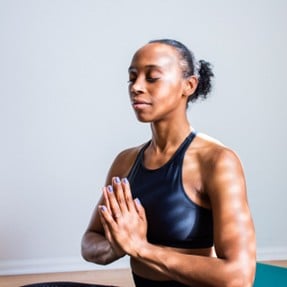
For those who feel weighed down by constant tension, focused relaxation offers sustainable stress management strategies that can be applied anytime, anywhere. Whether used before a big presentation or during a family conflict, these techniques provide the tools to navigate challenges without becoming overwhelmed.
Perhaps most importantly, for individuals living with chronic stress, hypnosis is not simply a momentary escape but a way of retraining the body’s baseline response to daily pressures. By regularly activating the relaxation response, they gradually build a stronger foundation of calm resilience.
Finally, for those in need of panic attack treatment, hypnosis becomes both a proactive and reactive tool. Proactively, it helps reduce overall anxiety levels, lowering the likelihood of severe episodes. Reactively, it provides techniques for regaining control when symptoms begin to surface, offering a gentler and more manageable path back to balance.
Consistency is Key
When it comes to easing life’s daily pressures, consistency with hypnosis matters more than duration. Regular practice helps train the mind to respond more calmly to stressors, promoting deeper rest, steadier focus, and a greater sense of balance over time.
Exploring different approaches can also make the process more effective. Some people connect best with quiet, self-guided techniques, while others find structured audio sessions especially helpful. The aim isn’t to achieve flawless practice but to build a dependable routine that supports both immediate relief and long-term resilience in the face of everyday challenges.
More than a Trend
Hypnosis is more than a wellness trend, it is a transformative practice with the power to reshape how we experience everyday life. By learning to intentionally guide the mind and body toward calm, individuals can reduce tension, improve resilience, and reconnect with a sense of inner stability.
Whether used for emotional balance, physical recovery, or navigating life’s inevitable stressors, the practice empowers people to move through the world with greater clarity and confidence. In a culture that often celebrates busyness, taking time for intentional calm may be the most radical and rewarding choice of all.